
Interview with Emily McManus
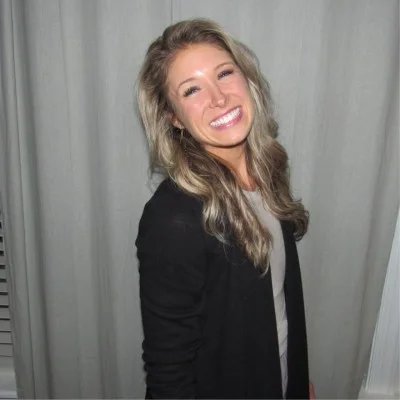
Spotlight Series Topic: Nutrition / Sports Nutrition / Performance Fueling
Guest Name: Emily McManus
Guest Credentials: RD, LDN
Discussion Details: We sat down with Emily owner of Be EmPowered Nutrition to talk about the role nutrition plays in supporting athletes, active adults, and busy families. The conversation focused on fueling for training and performance, recovery, energy, common nutrition challenges, and how working with a registered dietitian can help people better understand what their bodies need. We also discussed how nutrition support can complement physical therapy, strength training, and performance care for runners, weight lifters, youth athletes, and active adults.
Emily also shared more about her upcoming workshop at Change the Game Performance: Nutrition & Fueling for Training & Performance on Tuesday, October 6th at 1:00 PM.
Benefit of Watching: Viewers will learn why nutrition matters for performance, recovery, energy, and overall health — especially for athletes and active people with busy training schedules. This spotlight helps athletes, parents, and active adults understand when they may benefit from nutrition support, what it can look like to work with a registered dietitian, and how better fueling can support long-term training, competition, and daily life.
Address of Guest’s Business: Be EmPowered Nutrition Counseling
4022 Shipyard Blvd, Wilmington, NC 28403
Hi, it’s Coach Al here from Change the Game, and I am at Be Empowered Nutrition today with Emily. And Emily, can you tell us a little bit about yourself and what you do here at Be Empowered?
Yeah, so I’m Emily. I’m a registered dietitian and the owner of Be Empowered Nutrition Counseling. The main thing that I get to do is really just one-on-one counseling with clients. I get to wear many hats, which is super fun. I do some community outreach with cooking classes in the community, and then also get to partner with local businesses. I’ve changed the game for some nutrition workshops as well. So that’s super fun. But the main thing I do is education and really one-on-one sessions with clients. And what led you into the field of nutrition? Yeah, so my passion for nutrition started really in high school when I took my. It was an anatomy class, and I loved learning about the body and how food interacted with the body, and really looking at food as medicine. After my first job in the hospital, that kind of shifted a little bit, and I found my true passion was really education. So now I kind of get to do both: really get to partner with people and educate them, and really see the results of just our conversations to better their lives, and still use food as medicine. So get to do a little bit of medical nutrition therapy as well, but really just like being able to partner with someone, build a relationship with someone, instead of just learning about the body.
Yeah, and that’s really important. One of the things that we value at Change Game is that one-on-one care. At CTG, we work with a lot of athletes and their families. What are some common mistakes with nutrition that you find with athletes, especially youth athletes or adults who are getting back into training?
Yeah, so I think one of the biggest mistakes, if you will, would be really just not fueling enough, right? So I talk a lot about that with my athletes. I talk a lot about what does that look like, like really just getting enough energy and calories to sustain the demand that you’re putting on your body, and then beneath that, we talk a lot about carbs and protein for fueling, and really just being able to how do we carve the time? Because I know time is of the essence, especially with families. So really, you know, kind of troubleshooting, having things that are good and healthy on hand, so that we’re not relying so much on just like convenient items when time gets short.
Yeah, I know for those student athletes, I’m a parent myself. We talk a lot about kids eat lunch at like 11 in the morning at school, and then if they have practice right after school, fueling them for that time frame so that they can perform accordingly and not wait until dinner at 7o’clock at night.
Right. Yes, I talk a lot about snacks. They can get a bad rap, but they’re actually great.
Well, in that same realm, like with snacks and other things, what are some things that you wish parents and athletes knew about fueling for performance versus just keeping kids fueled for the day?
Yeah, so I think I think that really goes back to how much, right? Like, first of all, carving out the time and making sure you have nutritious things on hand. I always am a huge proponent of, you know, growing some shelf-stable good options, like in a bag, in a book bag. Have them everywhere. Put them in your cars just in case you’re prepared, and then really, yeah, having enough. So making sure that if it’s not all at a meal, of course, it’s better for our bodies to really have those snacks in between, and then knowing the carbs and the protein, right? So what those snacks are made of, so that we’re really able to fuel. It’s it comes down to energy as a whole, but then we get a little bit more specific as well on like specific types of foods to fuel to, so yeah, I think that’s the biggest thing.
So, how would an athlete or a parent know if they weren’t fueling correctly? What are some signs and symptoms?
Yeah, so some common signs I would say would probably be injury. So, if you’re returning to change the game very often and really not seeing a you know an injury healing or having multiple injuries pop up that could be a sure sign. I think in in regards to recovery, if you’re really sore or cramping or not able to maintain the output that you’re you know that you want to, especially if practice, for example, is multiple days in a row, and then really at the bottom of it is is just if you’re putting in all of the effort physically, you’re doing all the work, but you’re not seeing the progress that you feel like you should. I would say probably the other aspect of that could be nutrition. Like maybe we need to look at your nutrition, your intake a little bit more, so that you’re able to perform and recover well.
And if somebody’s never worked with a nutritional nutrition professional before. What could they expect in their first session with you?
Yeah. So really, truly, it boils down to just having a conversation, like you and I, right? Yeah. Just get to sit and talk. I. It’s my job to learn your current habits, what you’re currently doing, and then truly, we just walk through little by little: how can we make some tweaks and then build upon those small things that you’re doing so that it doesn’t feel overwhelming? Also, that’s a huge thing. I think for a lot of people, there’s some there’s some stigma stigma that can be around seeing a dietitian. Yeah. But really, it’s just it’s my job to make myself as approachable as possible and learn what you’re doing and then slowly build upon that. So I’m a very visual learner, so I like to use like I’ve got some little props here, my fruit and veggies. So yeah, I like to make it fun and try to try to implement and show you how to use the tools that I’m giving you as much as possible as well.
Yeah, workshop coming up at Change the Game on October 6 at 1 o’clock. What kinds of things can people expect to learn in that workshop?
Yeah, so this workshop is really going to be all about fueling how we fuel for our performance and then recovery as well. So really, kind of walking through what a day in your life should look like, especially if you have a very active lifestyle. And I would say, you know, specifically for people who are competing, whether it be endurance running or just athletic like sports. Those people in those situations, this would definitely be very helpful. But even someone who just lives an active lifestyle and maybe wants to lift more weight at the gym or run faster, run further. If you have any kind of health and athletic goals, I feel like it could be very beneficial for you to come to this workshop, just because we’re going to talk all about that, what it looks like before, during, and after, as far as fueling. And then I know you guys work with a lot of families as well, so I think it can be very beneficial in that regard, because we also have, you know, the students need to learn how to fuel their bodies. Yes, but then also for parents, there’s a lot of, you know, parents have the control of, well, where’s the food coming from, what does the food look like, how do we provide the tools for your kids, right? So I really think it could be for everyone is and really just talking about, yeah, fueling for any kind of active lifestyle
Is there anything specific about your approach or the type of support that you provide that athletes or parents should know?
Great question. So I think, and especially now that I’m and you know a business owner, I get to really individualize my sessions, which is my favorite part. Every person that walks in is a you know is different individual. So after we kind of you know just kind of get, I get to know you and I learn what you’re currently doing. I really like to, like I was saying, like we build upon the small things we talk about, and then it’s my job to educate you and also provide you with tools. So whether it be you know plans, recipes, you know things like that, of course. But then once we start talking about specific numbers, let’s say like protein goals, calorie goals, it’s my job to not only give you the goals, but then really work with you to show you what that looks like. Like, how does that? How’s that practical? How can I implement that in my life and in my routine? So, I think that is a special part of working with any dietitian, but really something that I prioritize in my session specifically.
And then Emily, if somebody who watches this and can’t attend the workshop, thanks. You know, I think this might be a really great next step for me. How could they get started working with you?
Yeah, so so I’ve got a couple rat cards here, just as an example. These are placed at Change the Game on my rat card. So right here, there’s a QR code for booking a discovery call. So that’s just a basically an intro session where we can get to know each other, and you can really you know ask me any questions that you have to decide if it’s right for us to work together, and then on the back we’ve got basically QR code to my website to book an appointment. My email at the bottom. I’m also a network with Blue Cross, so my information is on their provider website. If you you know just look for a dietician in the area, so yeah, really trying to to just use the rack cards. I think is the biggest thing as a tool, and then yeah, contact information from there.
No, it’s great that you do a free discovery call, so people can ask questions before having to officially commit to an appointment. It gives people a good chance to kind of take a dip in before they commit. Emily, is there anything else that you’d like to tell us about? Anything else you’ve got upcoming, or anything else you think that our CTG athletes should know?
Well, I think the big the biggest thing coming up is probably the workshop in October, and then after that, I know we’ve talked about some workshops past that. Really and truly, I would love to speak with you. I’d love to work with you. And if you have any questions or anything, feel free to just reach out to AmberLynn. I also have Instagram. I’m on Instagram at b underscore empowered nutrition. So feel free to reach out to me that way too. And yeah, thank you for this opportunity. Yeah, thank you so much, Emily.